
Older Adults · 12 August 2026
Motion sensors and older adults: support without surveillance
The goal is not to watch the home. It is to respect independence while reassuring family, with clear consent from the person the data belongs to.
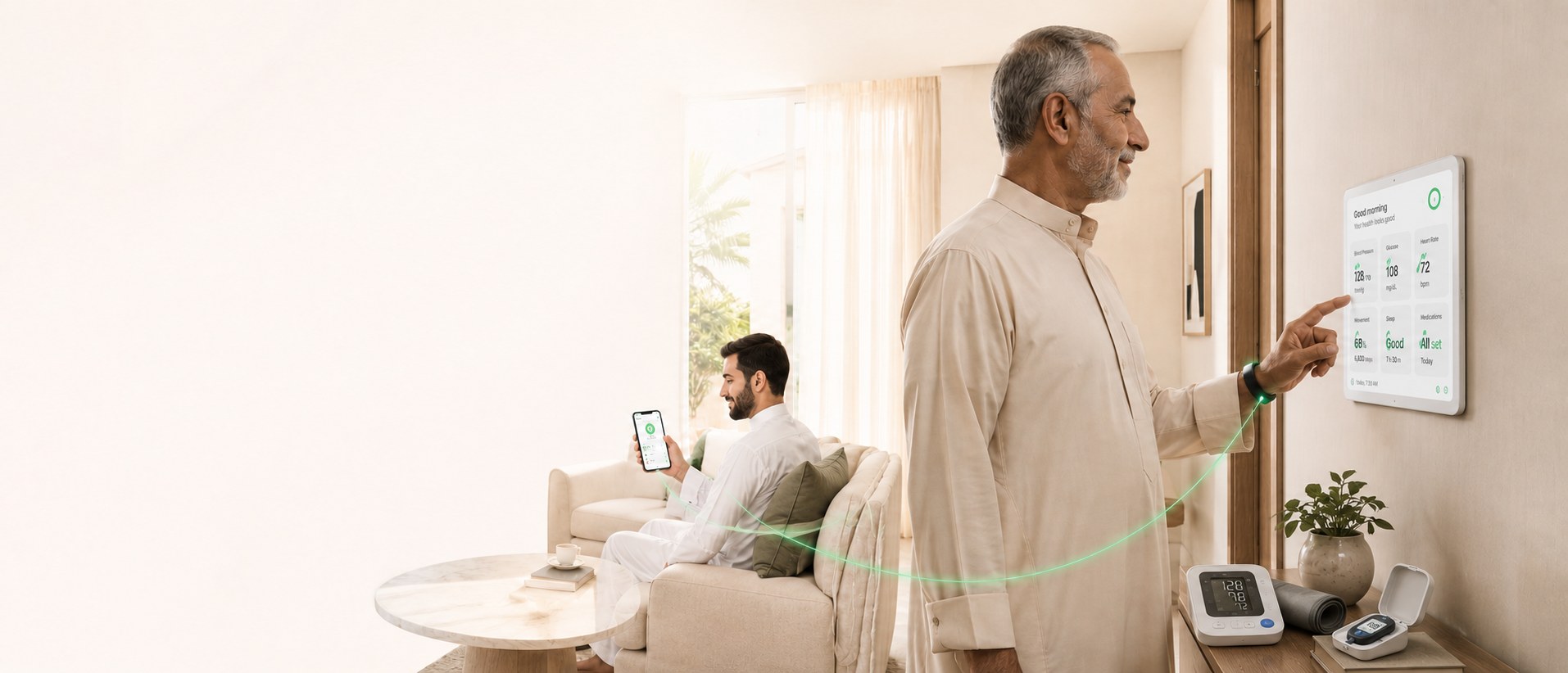
Many older adults value their independence above almost anything. Any technology has to start there: how do we support without intruding. Motion sensors can notice unusual patterns of activity or inactivity, helping family feel reassured without turning the home into a surveillance space.
The core principle is control. The person the data belongs to decides who sees information, what they see, and for how long. No sharing begins without a clear choice, and it can be stopped at any moment.
It is important to be honest about limits. These tools support awareness and general follow-up, but they are not an emergency service and do not guarantee response. In an emergency, contacting emergency services or a care provider remains the right action.
When technology is designed around human dignity first, it shifts from a watching eye into quiet support in the background.
This content supports understanding and general follow-up. It is not a diagnosis or treatment and does not replace professional advice.